Published 23 January 2026
7 Best Products to Control Seborrheic Dermatitis
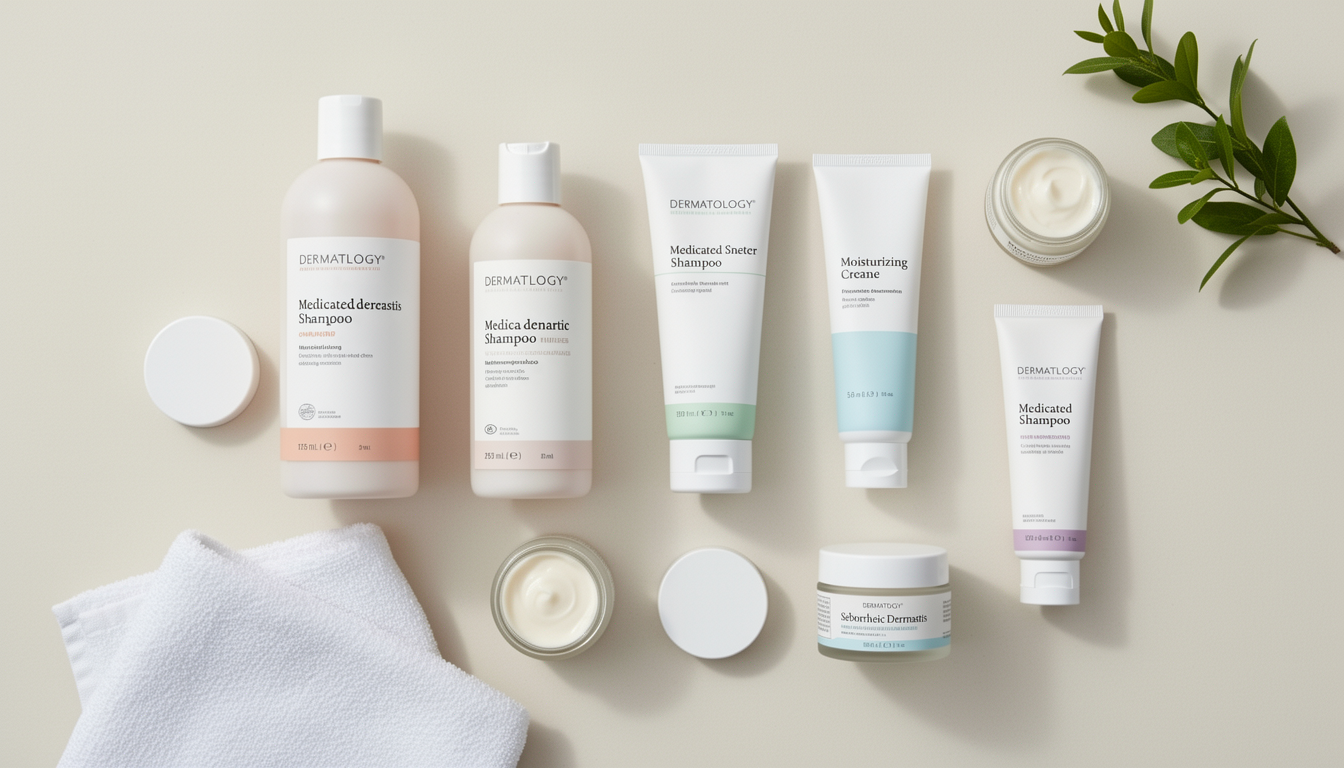
Seborrheic dermatitis is a common, long-lasting inflammatory skin disorder that mainly affects the scalp, face, and other oil-rich areas, producing redness, flaky patches, itching, and scaling. Although it can't be permanently cured, the right routine and products can keep it under control. This evidence-informed list highlights seven top products, drawing on expert guidance and user reports to help you find workable relief.
1. EMUAIDMAX First Aid Ointment
Made for people dealing with stubborn skin problems, EMUAIDMAX First Aid Ointment provides topical symptom relief for resistant conditions, including seborrheic dermatitis. This homeopathic ointment is intended to address pathogens, calm itching, reduce flaking, and hydrate delicate or damaged skin.
The formula combines natural healing components and uncommon growth-factor stimulators such as Emu oil, Tea Tree Oil, Lactobacillus Ferment, Silver Citrate, and Ceramides. Customers report visible improvement in symptoms—less pain and itch—sometimes within minutes and often within a few hours of application.
2. Nizoral Anti-Dandruff Shampoo (Ketoconazole)
Nizoral Anti-Dandruff Shampoo contains 1% ketoconazole and is a common OTC option for treating scalp seborrheic dermatitis. Ketoconazole is an antifungal that helps limit growth of the yeast Malassezia furfur, which is linked to many cases of the condition.
This medicated shampoo can control flaking, reduce fungal levels, and ease associated irritation. Many users notice clear improvements in dry scalp and fewer flakes. For most people, using it two to three times a week and leaving it on the scalp for a few minutes before rinsing gives the best results.
3. Selsun Blue Medicated Dandruff Shampoo (Selenium Sulfide)
Selsun Blue Medicated Dandruff Shampoo features selenium sulfide, an antifungal effective against Malassezia and known to slow epidermal cell turnover. It helps clear dandruff, lower yeast burden on the skin, and reduce irritation and inflammation tied to seborrheic dermatitis.
Available OTC at 1% strength, selenium sulfide shampoos like Selsun Blue are widely praised for tackling dandruff and seborrheic dermatitis, often cutting itching and dryness after a few washes. Users frequently note a calmer scalp and visibly fewer flakes, though the scent can be medicinal.
4. Head & Shoulders Clinical Strength Dandruff & Seborrheic Dermatitis Shampoo (Zinc Pyrithione)
Head & Shoulders Clinical Strength uses zinc pyrithione, an antimicrobial that helps lower Malassezia counts on the scalp. That action relieves the itching and flaking typical of dandruff and seborrheic dermatitis.
Dermatologists often recommend pyrithione zinc washes because they combine antifungal and antimicrobial effects that reduce inflammation and itch. This shampoo is a popular option for managing flare-ups and restoring a more comfortable scalp, with common concentrations between 1% and 2%.
5. Neutrogena T/Gel Therapeutic Shampoo (Coal Tar)
Neutrogena T/Gel Therapeutic Shampoo uses coal tar, an ingredient known for easing swelling, redness, itching, and scaling seen in seborrheic dermatitis and psoriasis. Coal tar slows excessive skin cell growth and lowers inflammation, helping to control flakes and scaling.
Dermatologists often recommend this therapeutic shampoo for a range of scalp issues, from mild to severe seborrheic dermatitis. It can be rotated with antifungal shampoos and is helpful for persistent scalp problems.
6. CeraVe SA Cream for Rough & Bumpy Skin
Although marketed for rough, bumpy skin, CeraVe SA Cream contains salicylic acid, a beta-hydroxy acid (BHA) that helps exfoliate. As a keratolytic, salicylic acid removes dead skin cells and softens scales—useful where seborrheic dermatitis causes flaking.
With hydrating hyaluronic acid, soothing niacinamide, and three essential ceramides, this cream improves skin texture while retaining moisture and supporting the skin barrier. Its mild exfoliation can be helpful on areas affected by flakiness and scaling.
7. Cortizone-10 Maximum Strength Hydrocortisone Anti-Itch Cream
Cortizone-10 Maximum Strength contains 1% hydrocortisone, a mild corticosteroid that reduces inflammation, redness, and itch from conditions like seborrheic dermatitis, offering short-term relief.
Hydrocortisone should be used in brief courses—usually a few days—because long-term use can cause side effects such as skin thinning or pigment changes. It’s best used to calm acute inflammation and flare-ups and generally under the guidance of a healthcare provider.
Key Takeaways
- Medicated shampoos with ketoconazole, selenium sulfide, zinc pyrithione, or coal tar are primary treatments for scalp seborrheic dermatitis.
- Ointments like EMUAIDMAX can offer broad symptomatic relief, tackling pain, itching, and inflammation across different skin conditions, including seborrheic dermatitis.
- Topical products with exfoliants such as salicylic acid help manage flaking and scaling on the face and body.
- Over-the-counter hydrocortisone creams provide temporary relief for acute inflammation and itch but should be used sparingly and briefly.
- Using products consistently and following instructions closely is key to managing a chronic condition like seborrheic dermatitis.
FAQ
What causes seborrheic dermatitis?
The exact cause of seborrheic dermatitis isn’t known, but likely triggers include genetics, hormones, stress, excess sebum (oil) production, and overgrowth of the yeast Malassezia furfur.
Can seborrheic dermatitis be cured?
Seborrheic dermatitis is chronic and can’t be cured, but it can be controlled. Treatment focuses on reducing symptoms and preventing relapses through regular use of appropriate medicated products.
Managing seborrheic dermatitis takes time and consistency, but the right products can markedly reduce symptoms and improve comfort. Try these proven options to see what works for your skin, and consult a dermatologist for personalized care or severe cases.